
Few things are more disappointing than spending time baking a beautiful pound cake-only to have it stick to the pan. Preparing your Bundt pan properly is the secret to a perfect release and a smooth, golden exterior. In this article we are discussing how to prepare your pan for success every single time.
Why Pound Cakes Stick to the Pan
Pound cakes are dense and rich, which means they cling to every curve and corner of your Bundt pan. Add in intricate designs or glaze ingredients like sugar or butter, and the risk of sticking increases. That's why prepping your pan is one step you can't skip.
Step-by-Step: How to Properly Prepare a Bundt Pan
1. Choose the Right Pan
Start with a high-quality, nonstick Bundt pan. Older or scratched pans can lose their nonstick surface over time. If your cakes have been sticking lately, it might be time for an upgrade.
2. Grease the Pan Thoroughly
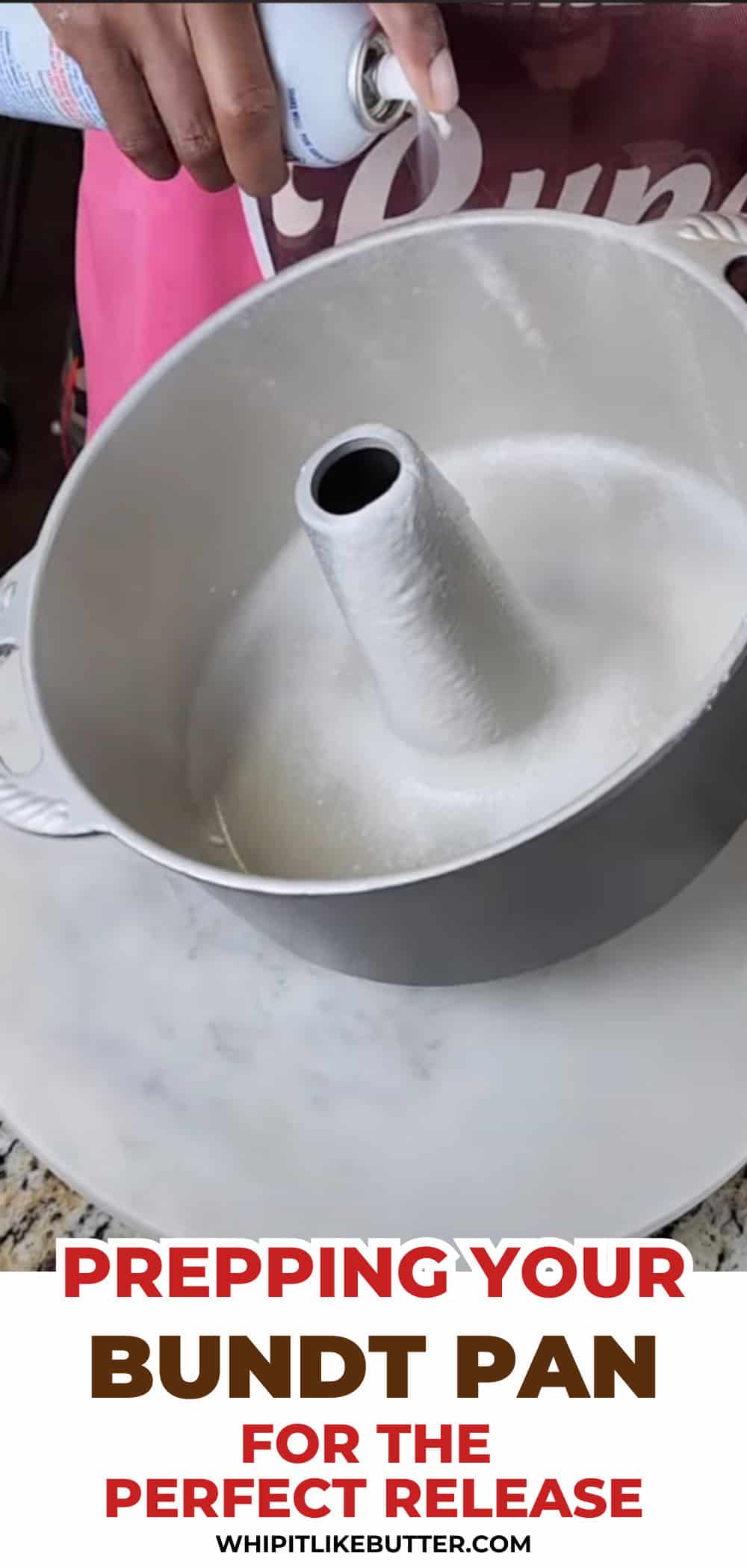
Use a baking spray that includes flour (like Baker's Joy), or do it the old-fashioned way:
Option 1: With Shortening and Flour
- Use a pastry brush or paper towel to spread a thin, even layer of shortening into every nook and cranny of your pan.
- Then sprinkle a light coating of flour into the pan. Tilt and tap the pan to coat all surfaces, then shake out the excess.
Option 2: With Homemade Pan Release ("Cake Goop")
Mix equal parts shortening, flour, and vegetable oil. Brush this mixture generously inside the pan. It stores well in an airtight container and works like magic!
Option 3: Freezer Method
Once the pan is prepped with one of the options above, place the pan in the freezer while you are preparing your batter.
3. Avoid Butter
While it smells and tastes great, butter tends to melt and pool, leaving some parts of the pan exposed. It can also promote sticking due to the milk solids included in the butter.
4. Grease/Spray Right Before Filling
Grease or spray your bundt pan just before you pour in the batter. Prepping your pan too early can cause the shortening or spray to settle in the pan and lose coverage...which of course can cause the cake to stick.
5. Clean Up Batter Splatters for a Smooth Cake Release
When pouring batter into your Bundt pan, it may occasionally splash or drip onto higher parts of the pan where the rest of the batter hasn't reached yet. Be sure to wipe away any stray batter before baking-those splashes can bake onto the pan and cause the cake to stick, making it harder to release cleanly once baked.
6. Let the Cake Cool Before Removing
Once the cake is done, let it cool in the pan for 10 to 15 minutes. This period gives the pound cake time to slightly firm and pull away from the edges of the pan. If your pan has been prepped correctly, it should release from the pan with no issue.
7. Flip with Confidence
Place a cooling rack or plate over the top of the pan, then flip in one swift but careful motion. Then slowly lift the pan straight up in the air, removing the pan from the cake.
💡 Extra Tips for Success
- Don't skip greasing just because your pan says "nonstick." Always prepare it.
- Use a pastry brush for even coverage, especially on detailed pans, even when using baking spray.
Did all the things and still had some areas that stuck?
Sometimes these things just happen. Overtime with practice they should be a rare occurrence. If an area sticks, patch it with glaze or a powdered sugar sprinkle-nobody will notice!
Preparing your Bundt pan properly is one of the most important parts of baking a pound cake. With the right tools and a little extra care, you'll get a perfect release-and a beautiful cake-every time.
Find all of our recipes here
Find all of our baking guides here
Tools I Use & Recommend
These are the exact tools I use to get consistent, bakery-quality pound cakes every time. Using the right equipment makes a BIG difference-especially when it comes to texture, bake time, and getting that perfect release.
- 12 cup Bundt Pan (Standard size pan for most pound cake recipes)
- 18 cup Bundt Pan (Needed for Mile High Pound Cake recipes)
- Stand Mixer or Hand Mixer
- Silicone Spatula
- Oven Thermometer
- Cake Keeper
- Measuring Cups and Measuring Spoons
👉🏾 "Shop all my favorite baking tools here
Enjoyed this post? Pin the photo below and save it for later 😊
Join my Whip it like Butter Community!!
This community is a place to share pound cakes, ask baking questions, swap tips, get inspiration, and help each other become more confident bakers.
Linda Rankins says
My pound cakes have started coming apart around the edged. What am I doing wrong. I have ver nice cake pans
HELP!!!!!,LONDA
Ashley Frederick says
It sounds like you are overfilling your pan. Leave at least an inch of space from the top of your pan to give your cake room to rise. This article may be helpful to you: https://whipitlikebutter.com/the-proper-way-to-fill-a-bundt-pan-no-overflow-even-baking/
Dorene Spells says
Thanks for the tips, they work fine for me. I've missed your videos
Ashley Frederick says
You're very welcome! I'm still posting videos. Find all of them here: https://www.youtube.com/@Whipitlikebutter