
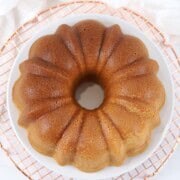
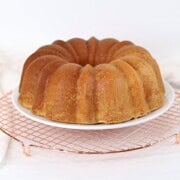
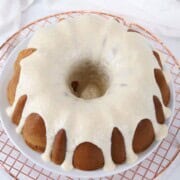
The secret to this Brown Butter Pound Cake? A deep, nutty flavor and soft, tender crumb. This from-scratch recipe is rich, moist, easy to make, and absolutely unforgettable.
There's something about brown butter that takes a classic pound cake and turns it into something truly special. This Brown Butter Pound Cake is rich, buttery, and full of deep, nutty flavor that you just can't get from regular butter alone. Every bite is soft, tender, and perfectly balanced with that signature golden crust and flavor we all love.
If you've never baked with brown butter before, don't worry-I'm going to walk you through exactly how to get it right so you can create a pound cake that feels a little elevated, but still comforting and familiar.
This is the kind of cake that's so absolutely amazing that its jaw dropping. You'll only wish you had baked it sooner.
Video Tutorial

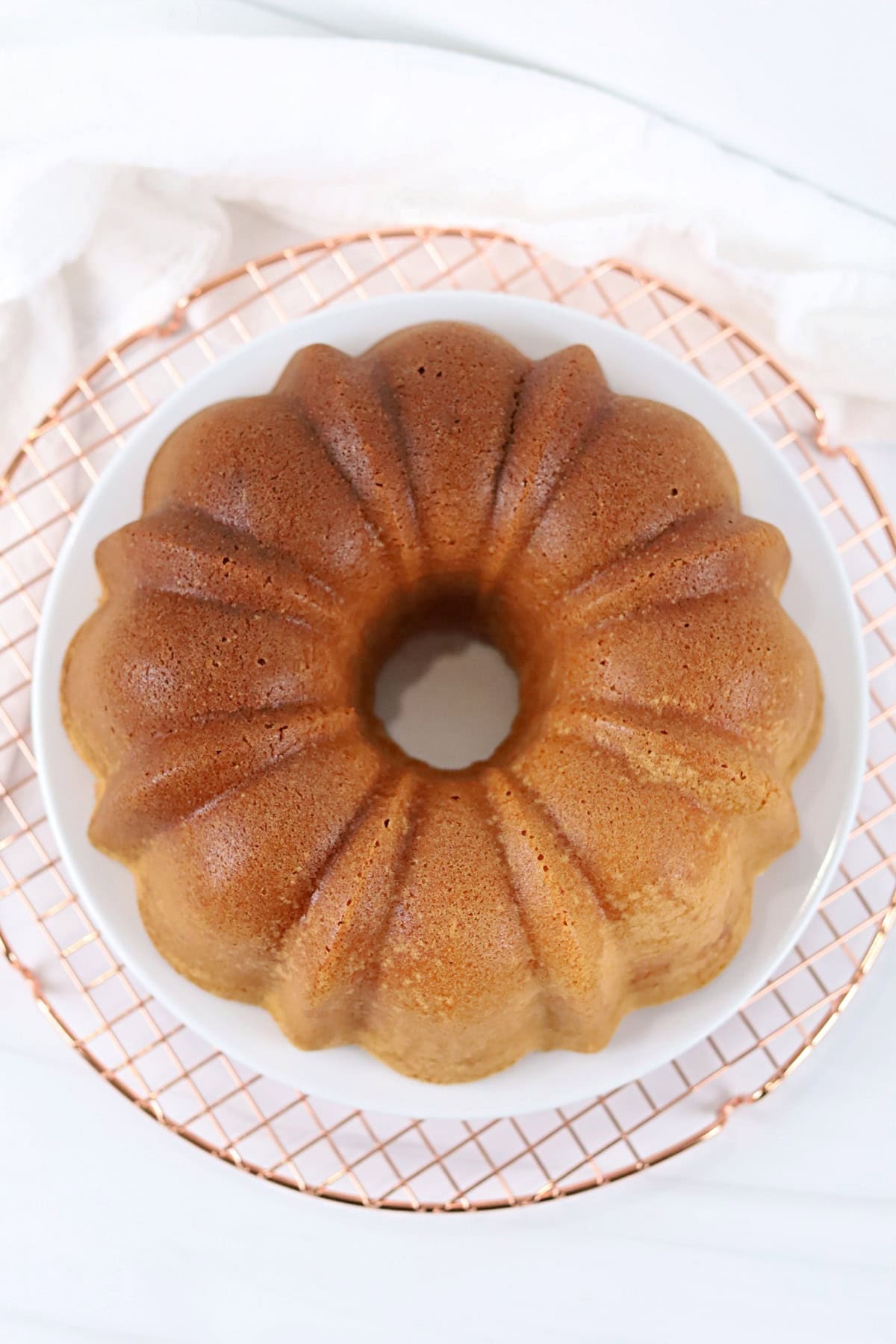
🍰 What Makes This Brown Butter Pound Cake a Show Stopper
This isn't just another pound cake-it's one of those recipes that makes people stop mid-bite and ask, "What did you put in this?" 👀
- That deep, nutty brown butter flavor
It adds a richness you just can't get from regular butter. It's delicious, toasty, and instantly takes this cake to another level. - A soft, tender crumb with real depth
This cake isn't just moist-it has a richness to it that is so satisfying, it's almost indescribable. - Simple ingredients, elevated flavor
Nothing complicated-just technique and attention to detail. That makes all the difference. - The kind of cake that stands on its own
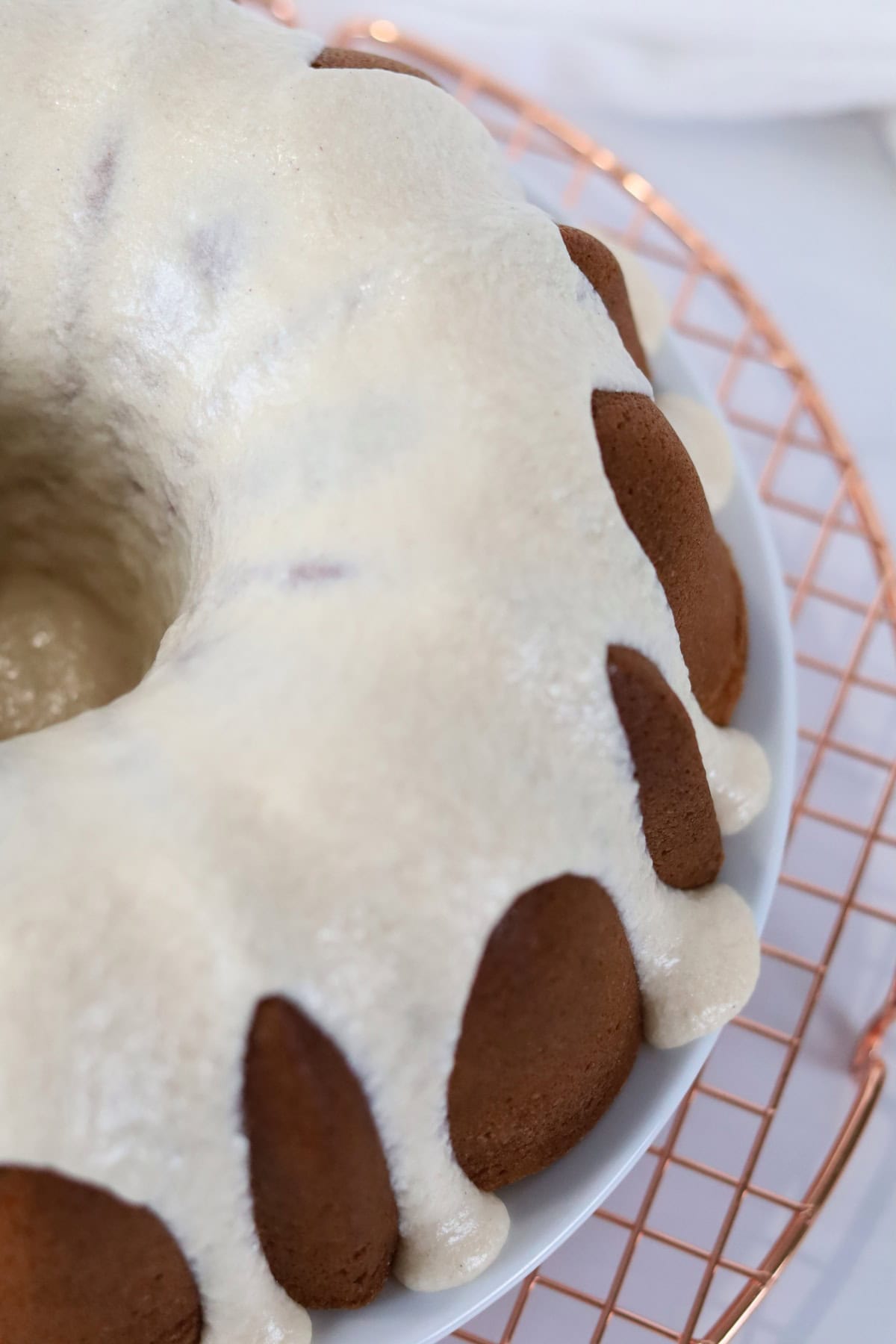
Although even better glazed, this cake is rich, flavorful, and complete all by itself.
Recommended tools and equipment:
- Bundt Pan (A 12-cup bundt pan is needed for this recipe.)
- Stand Mixer or Hand Mixer
- Silicone Spatula
- Oven Thermometer
- Cake Keeper
- Measuring Cups and Measuring Spoons
- Vanilla Bean Paste
- Light-colored saucepan - Makes it easier to see when your butter is perfectly browned
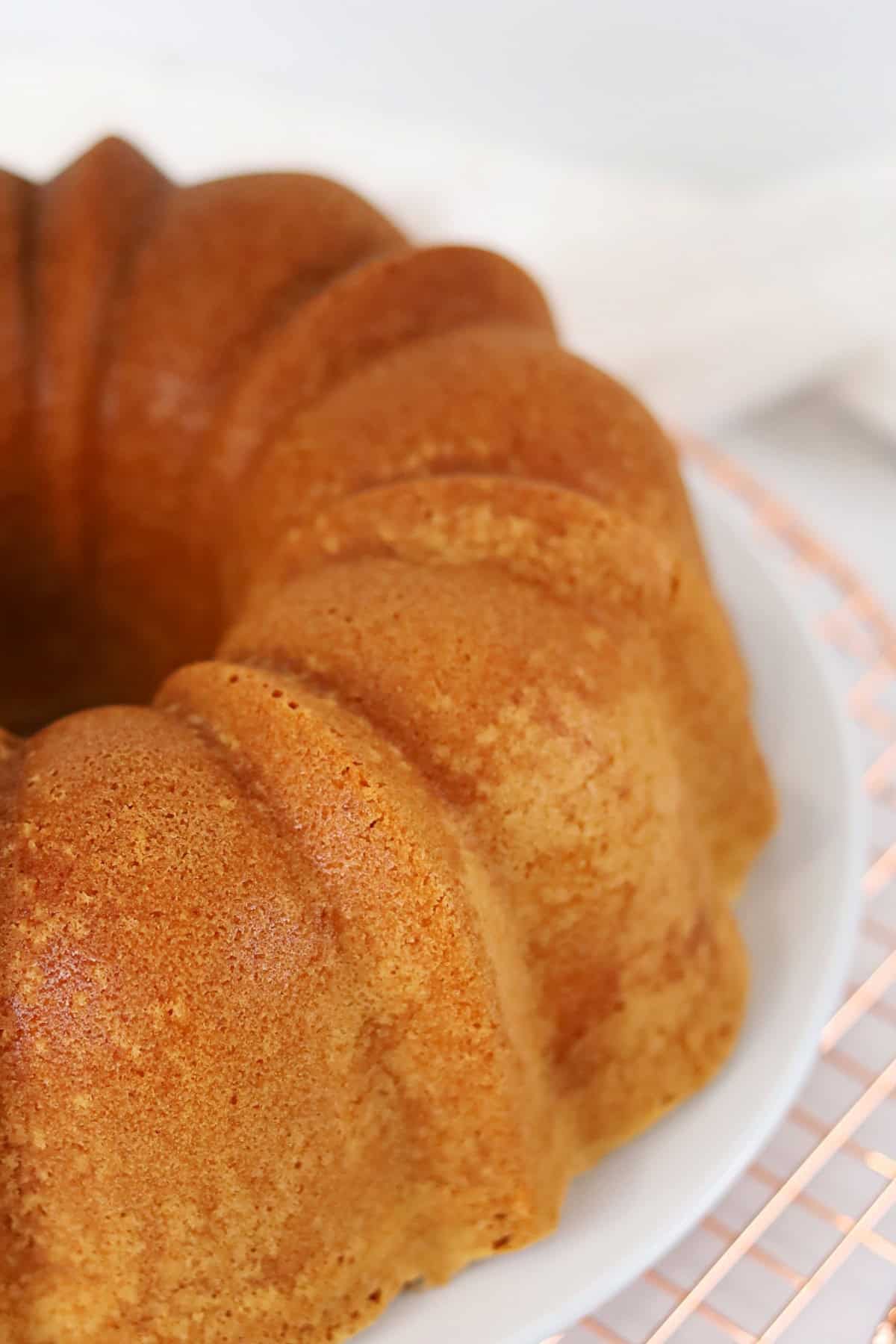
Key Ingredient: Brown Butter
Brown butter is the star of this recipe, and it's what gives this cake its signature flavor.
When butter is cooked, the milk solids begin to toast, creating a deep, nutty aroma and a rich golden color. This simple step adds so much flavor to your cake without adding any extra ingredients.
👉🏾 The key is to:
- Watch it closely
- Remove it as soon as it turns golden brown
- Let it cool before adding it to your batter
🔥 Tips Before You Start
- Don't rush the brown butter - Low and slow is key
- Remove It From the Heat Immediately - This helps prevent burning.
- Let the butter cool - Adding hot butter can affect your batter
- Use room temperature ingredients - Helps everything mix smoothly
- Cream your butter and sugar well - This builds the structure of your cake
- Bake on the center rack - For even baking
What Is Brown Butter?
Brown butter is simply butter that has been cooked until its milk solids toast and turn golden brown.
As butter heats, the water begins to evaporate and the milk solids separate. Those milk solids eventually begin to brown, creating the deep, nutty aroma and toasted flavor that makes brown butter so delicious.
You'll know your brown butter is ready when:
- The butter develops a golden to amber-brown color.
- You see small brown specks collecting at the bottom of the pan.
- It develops a rich, nutty aroma.
- The foaming begins to change as the butter browns.
Why Brown Butter Makes Pound Cake So Good
Traditional pound cake already gets much of its flavor from butter, so browning some of that butter gives us an easy way to create an entirely different flavor profile.
- Deeper flavor: Brown butter has a richer, nuttier taste than regular butter.
- Toasted notes: Browning the milk solids creates warm, toasted flavors that complement the vanilla.
- More complexity: Instead of tasting simply buttery and sweet, the finished cake has several layers of flavor.
- Perfect for pound cake: Because pound cake is butter-forward, you can really taste the difference.
Those little brown specks are important! Don't strain them out. They are toasted milk solids and contain much of the flavor we're trying to add to the cake. The result still tastes like a homemade pound cake, but the brown butter elevates it!
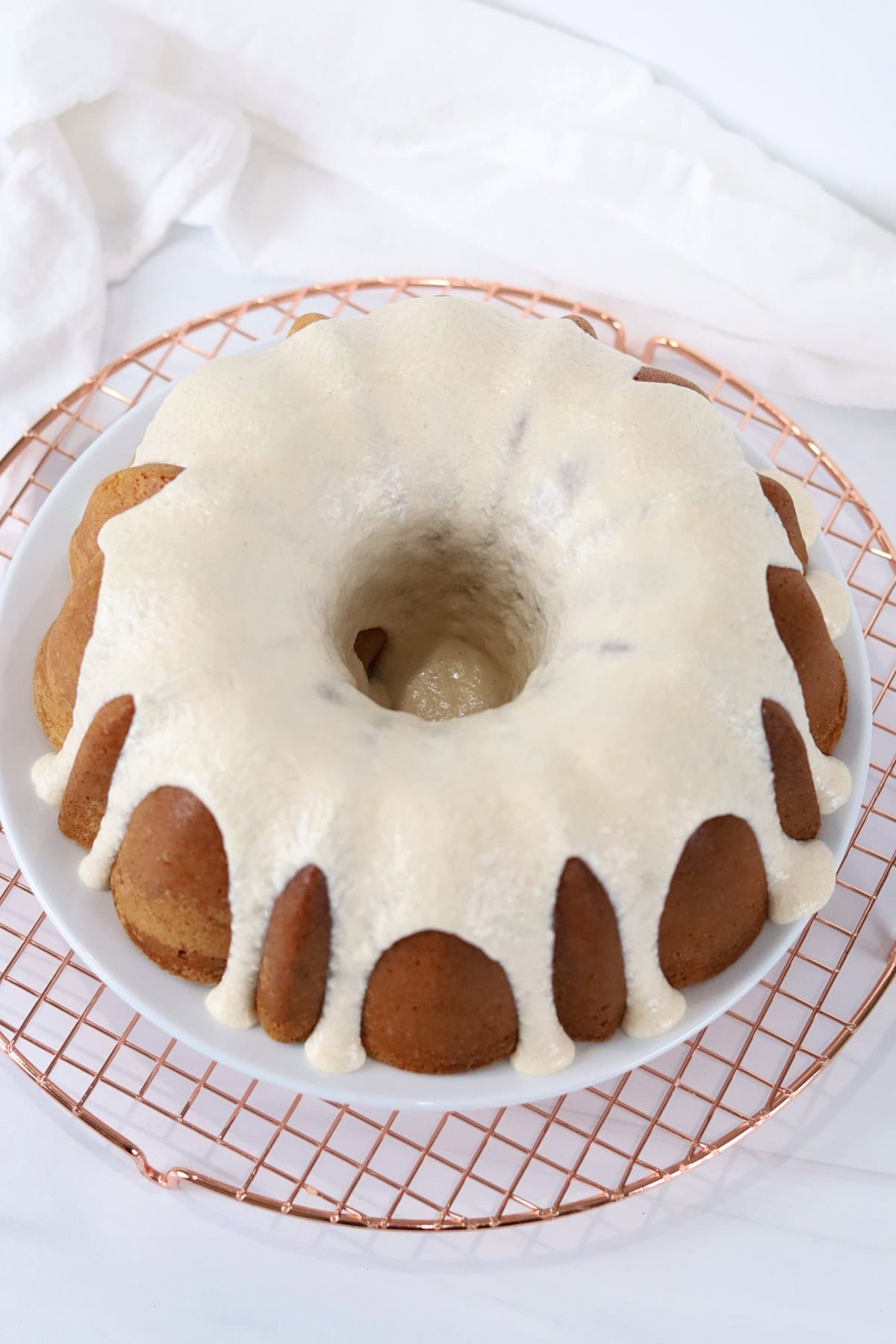
Why We Don't Brown All of the Butter
That's intentional.
Browning butter changes more than its flavor. As the butter cooks, some of its water evaporates, and the butter becomes liquid. Traditional softened butter, on the other hand, is important during the creaming process because it helps trap tiny pockets of air when beaten with sugar.
By using a combination of brown butter and regular softened butter, we get the best of both worlds: the rich, nutty flavor of brown butter while still maintaining the texture and structure we're looking for in a pound cake.
Storage Instructions
Store at room temperature, in an airtight container, for up to 5 days.
Refrigerate up to 5 days; bring to room temperature before serving.
Freeze whole or in slices, well-wrapped, for up to 3 months.
| Storage Method | Duration | Notes |
| Airtight container, room temp | 5 days | Wrap in plastic for best results |
| Refrigerator (airtight) | 5 days | Bring to room temp before serving |
| Freezer (sliced or whole) | 3 months | Wrap in plastic and foil; thaw overnight |
Brown Butter Pound Cake
Ingredients
- Pound Cake Ingredients:
- 3 c All Purpose Flour
- 3 c Granulated Sugar
- 1 ½ c Salted Butter (Room Temperature) - 1 c for browning
- 1 c Heavy Whipping Cream - Room Temperature
- 5 Large Eggs - Room Temperature
- 2 tsps Vanilla Bean Paste or Vanilla Extract
- Glaze Ingredients:
- 2 c Powdered Sugar
- ½ c Salted Butter - Browned and cooled
- 5 - 7 tbsps Whole Milk (Use more or less to reach desired consistency)
- 1 teaspoon Vanilla Bean Paste or Vanilla Extract
Instructions
- Steps to Brown the Butter:
- In a medium light colored saucepan over medium heat, melt 1 cup of salted butter, stirring or swirling occasionally, until it foams, turns brown, and smells nutty (approximately 5 minutes).
- Immediately pour into a heatproof bowl and allow to cool. (This process may take up to an hour for proper cooling).
- To Prepare the Pound Cake:
- Preheat your oven to 325 degrees.
- Using a hand or stand mixer, mix the butter together then slowly add in the granulated sugar. Mix on medium speed until creamy (approximately five minutes).
- Add the vanilla bean extract to the batter.
- Then add the eggs to the bowl one at a time, mixing only until combined before adding the next egg.
- Mix in the flour 1 c at a time, on low speed, until combined alternating with the heavy whipping cream. Start with the flour and end with the flour.
- Spray a 12-cup bundt pan with baking spray. Pour the batter into the pan and spread it evenly.
- Bake for about an hour and 15 minutes (or longer if needed). Insert a wooden toothpick into the center of the cake. The cake is done when the toothpick comes out clean/with moist crumbs.
- Remove the cake from the oven and allow it to cool for about 10 minutes before removing it from the pan. Allow the cake to continue to cool completely before adding the glaze.
- To Prepare the Pound Cake Glaze:
- In a small saucepan, brown the salted butter using the same method as before. Allow the butter to cool.
- Using a hand or stand mixer, combine the browned butter, powdered sugar and vanilla. Slowly add the milk until your desired consistency is reached.
- Pour your glaze over the cooled cake as desired. Allow the glaze to set then serve and enjoy!
Video
Frequently Asked Questions
How do I know when my butter is ready?
You'll notice:
- a golden brown color
- a nutty aroma
- small brown bits at the bottom
👉🏾 Be careful-it can go from perfect to burnt quickly!
Can I use regular butter instead?
You can, but you'll lose the signature flavor that makes this cake special.
Do I need to strain the brown butter?
No-you actually want those browned bits! That's where the flavor is.
What Does Brown Butter Taste Like?
Brown butter has a rich, nutty, toasted flavor that's deeper and more complex than regular butter.
Some people also notice caramel-like notes, although we're not actually adding caramel to the butter.
Do I Need to Strain Brown Butter?
No!
Keep those little brown specks. They're the toasted milk solids and contain much of the flavor that makes brown butter special.
Can I Use Unsalted Butter Instead of Salted Butter?
Yes. You can substitute unsalted butter for salted butter.
- Use the same amount: Replace the salted butter with an equal amount of unsalted butter.
- The texture should remain similar: Changing from salted to unsalted butter shouldn't significantly affect the structure of the cake.
- Add salt separately: If using unsalted butter, you may want to add a small amount of salt to help balance the sweetness and enhance the brown butter and vanilla flavors.
I prefer salted butter in this recipe because the salt helps balance all that richness and sweetness.
Can I Make the Brown Butter Ahead of Time?
Yes. This is actually a great way to make the recipe easier.
You can brown the butter ahead of time, allow it to cool, and store it covered in the refrigerator. Before making your cake, bring it back to the consistency needed for the recipe rather than using it cold straight from the refrigerator.
Why Does My Brown Butter Have Black Specks?
If the specks are very dark or black and smell burnt, the milk solids have browned too long.
Properly browned butter should have brown-not charred-milk solids and a pleasant nutty aroma.
When in doubt, smell it. Burnt butter smells noticeably bitter and burnt.
Can I Make a Larger Version of This Cake?
Yes! You can find my Mile High Brown Butter Pound Cake recipe here! Find the pan needed for this volume of recipe here!
More Recipes You'll Love
Beginner-friendly Butter Vanilla Pound Cake - has butter vanilla flavor and heavy whipping cream baked right into the batter.
Cinnamon Roll Pound Cake - made with a buttermilk base swirled with cinnamon swirl in the batter topped with a cream cheese glaze.
Honey Bun Pound Cake - packed with delicious flavor and tastes just like a Honey Bun but in pound cake form.
Made my recipe? Share it in my Whip it like Butter Community!!
This community is a place to share pound cakes, ask baking questions, swap tips, get inspiration, and help each other become more confident bakers.
Emily Harsin says
I only have a eight cup bundt pan. Do you have a recipe for that size?
Ashley Frederick says
No I don't love. You could add the extra batter to a separate pan. There is also a recipe adjuster in the recipe card to assist you with tailoring the recipe to your size pan.
Terri M says
We have been looking for a Bundt pound cake for my son’s wedding this Saturday. I started with the cream cheese Bundt, then moved to sour cream, then heavy cream. They really wanted some cream cheese flavor but liked the texture of the cream cake. They also wanted browned butter. Most of his childhood favorites start with browned butter. (I’m a last minute baker.) So we went with this recipe. However they settled on 4oz cream cheese added with the softened butter and sugar and 1/2c cream in between flour cups. 1T vanilla bean paste and 1T vanilla extract. The final addition is a vanilla simple syrup, wrapped and frozen. Thawed and poured on a brown butter icing. I currently have the wedding dinner cake in the oven. I will also bake 24 mini’s as part of the thank you bags. Workmate taste testers loved this version the most too.
Ashley Frederick says
Awesome! That really sounds great. Congrats to your family. I hope everything comes out great. I'm sure it will 🙂
Bee says
Much denser (perhaps due to no baking powder or baking soda?) than expected but the flavor was 100 percent on point. I will definitely try it again but perhaps with cake flour….
Ashley Frederick says
Yes if you prefer a less dense cake I'd try cake flour and maybe even buttermilk instead of heavy whipping cream.