
This homemade Vanilla Bean Pound Cake is rich, buttery, and full of delicious vanilla bean flavor! There's something special about a homemade vanilla pound cake. While I love experimenting with different flavors, sometimes the simplest cakes are the ones that really stand out.
And this Vanilla Bean Pound Cake is a perfect example!
What makes this cake special is the combination of vanilla bean paste and heavy whipping cream. The vanilla bean paste gives the cake its rich, aromatic vanilla flavor, while the heavy whipping cream contributes richness and tenderness.
You don't need a bunch of different flavorings to make a delicious pound cake. When you use quality ingredients and the proper baking techniques, even a simple vanilla cake can be something special.
VIDEO TUTORIAL

Why You'll Love This Vanilla Bean Pound Cake
There are so many reasons to love this recipe, but here are a few of my favorites!
- Rich vanilla bean flavor: Made with vanilla bean paste instead of vanilla extract, this cake has a wonderfully robust vanilla flavor.
- Made with heavy whipping cream: The heavy whipping cream contributes richness and helps create a tender pound cake crumb.
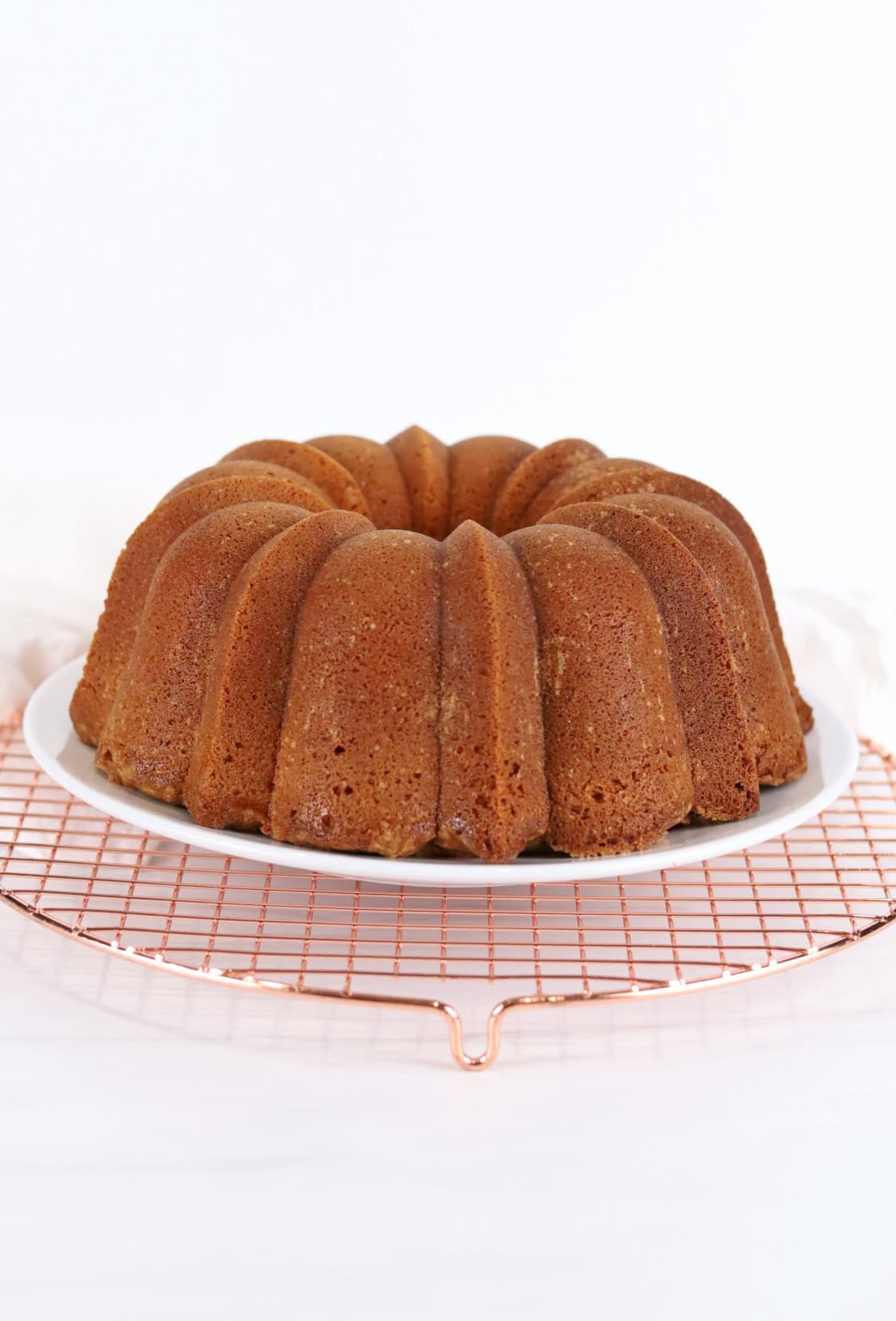
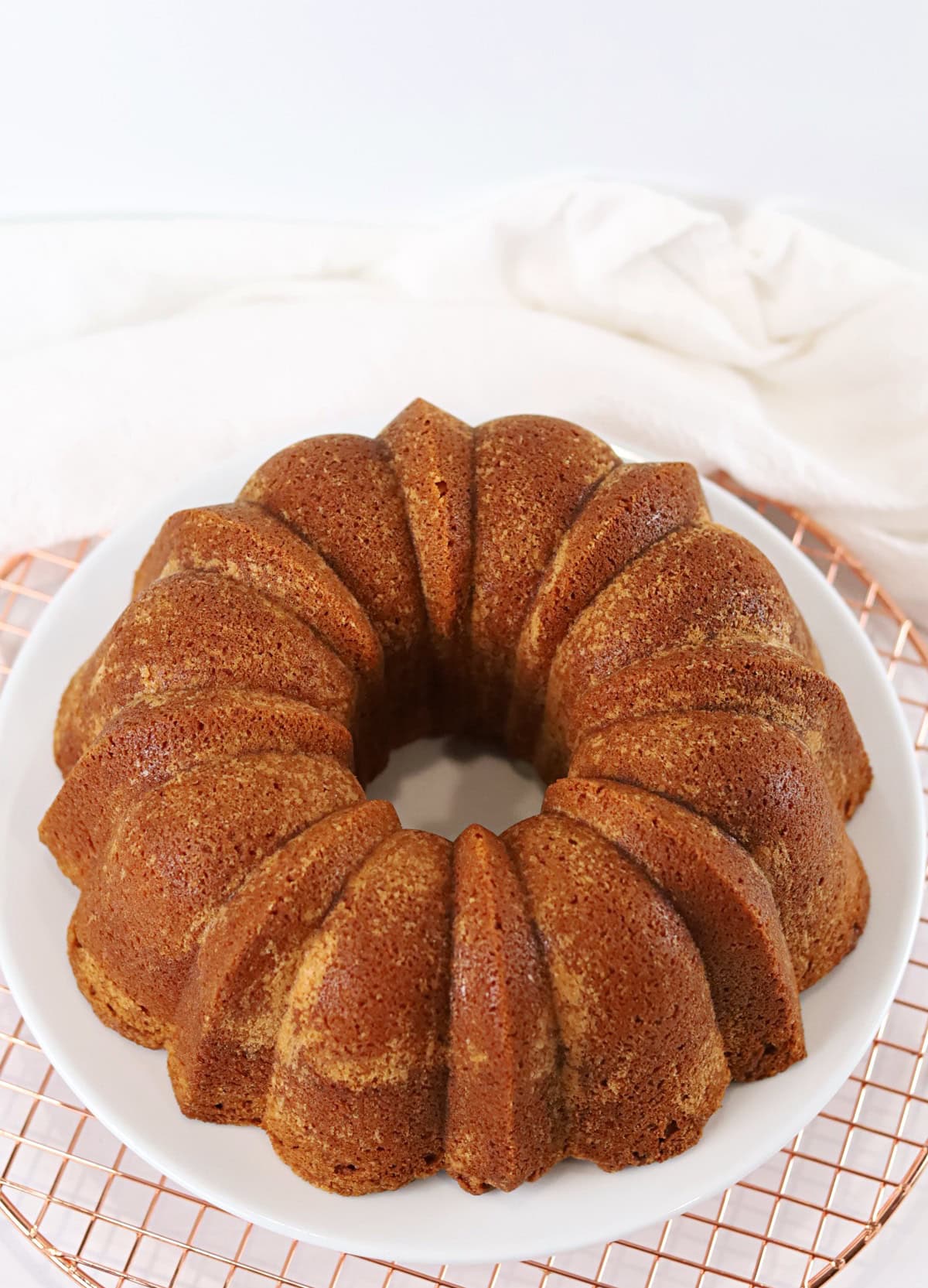
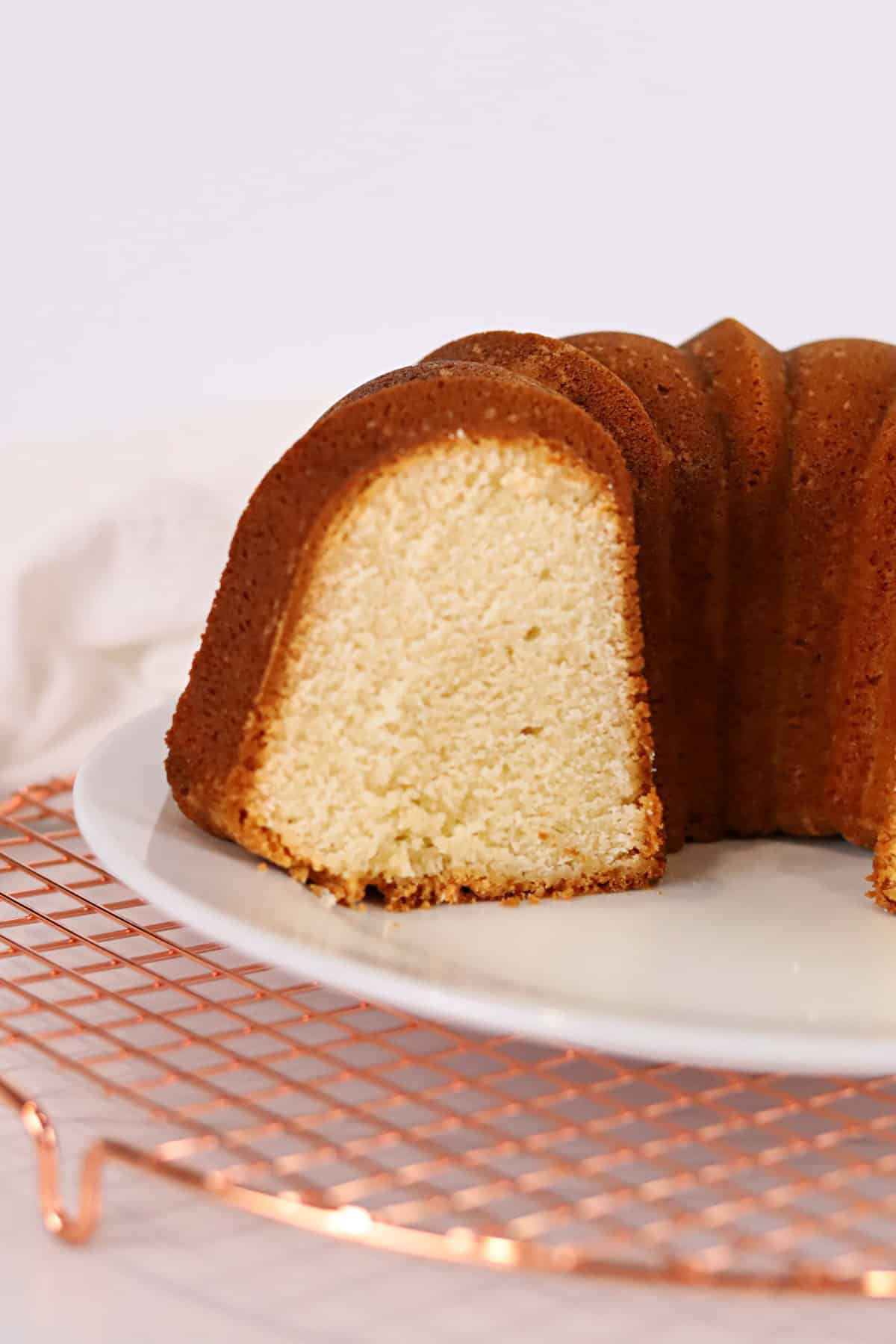
- Beautiful golden crust: The exterior develops a delicious golden crust that contrasts with the tender interior.
- Delicious without a glaze: With its rich buttery flavor and vanilla bean goodness, this cake can be enjoyed all by itself!
- Made completely from scratch!
What Makes This Vanilla Bean Pound Cake Special?
What makes this recipe different from a traditional vanilla pound cake is the combination of vanilla bean paste and heavy whipping cream.
Vanilla bean paste brings a rich vanilla flavor to the cake and gives it those beautiful little vanilla bean specks throughout the crumb. Unlike recipes that combine several different extracts, this pound cake uses vanilla bean paste as its only vanilla flavoring.
Then there's the heavy whipping cream! Heavy whipping cream adds richness and moisture to the batter, contributing to a tender texture that complements the buttery flavor.
Together, these ingredients create a classic pound cake with a rich vanilla flavor and texture.
What Is Vanilla Bean Paste?
Vanilla bean paste is a concentrated vanilla flavoring made with vanilla extract and vanilla bean seeds, usually combined with a sweetener or thickener. One of the things that makes vanilla bean paste unique is the visible, yet very tiny, vanilla bean seeds.
Those tiny dark specks add a beautiful appearance to cakes, frostings, custards, and other desserts. Vanilla bean paste also provides a convenient way to incorporate vanilla bean flavor into your recipes without having to split and scrape whole vanilla beans.
It's especially wonderful in recipes where vanilla is the main flavor, like this Vanilla Bean Pound Cake.
Why I Use Vanilla Bean Paste Instead of Vanilla Extract
When vanilla is the star of a recipe, I want that flavor to shine through in every bite! Vanilla bean paste contains vanilla bean seeds, which give the cake those beautiful little specks throughout the crumb and an almost indescribably delicious flavor!
This rich, aromatic vanilla flavor complements the butter and heavy whipping cream in the recipe. Since this recipe uses vanilla bean paste exclusively, there's no need to add vanilla extract.
Recommended tools and equipment:
- Bundt Pan (A 12-cup bundt pan is needed for this recipe.)
- Stand Mixer or Hand Mixer
- Silicone Spatula
- Oven Thermometer
- Cake Keeper
- Measuring Cups and Measuring Spoons
- Vanilla Bean Paste
Why Use Heavy Whipping Cream in Pound Cake?
Heavy whipping cream typically contains at least 36% milk fat, making it considerably richer than regular milk.
That additional fat contributes to the texture and flavor of the finished cake.
Here's why heavy whipping cream works so well in pound cake recipes:
It Adds Richness
Heavy whipping cream complements the butter, giving the cake a rich, satisfying flavor.
Because pound cakes are known for their buttery flavor, heavy whipping cream is a wonderful ingredient to incorporate, as it complements the butter and other ingredients in the pound cake.
It Contributes to a Tender Crumb
Fat helps limit gluten development when flour is mixed with liquid. This can contribute to a more tender crumb when the cake batter is prepared properly.
It Provides Moisture
Heavy whipping cream contains both fat and water, which contribute to the cake's overall moisture and texture.
It Complements the Vanilla Bean Flavor
One thing I especially appreciate about using heavy whipping cream is how well its creamy richness complements vanilla.
It allows the vanilla bean flavor to remain the star without introducing another competing flavor.
What Should the Texture of Vanilla Bean Pound Cake Be?
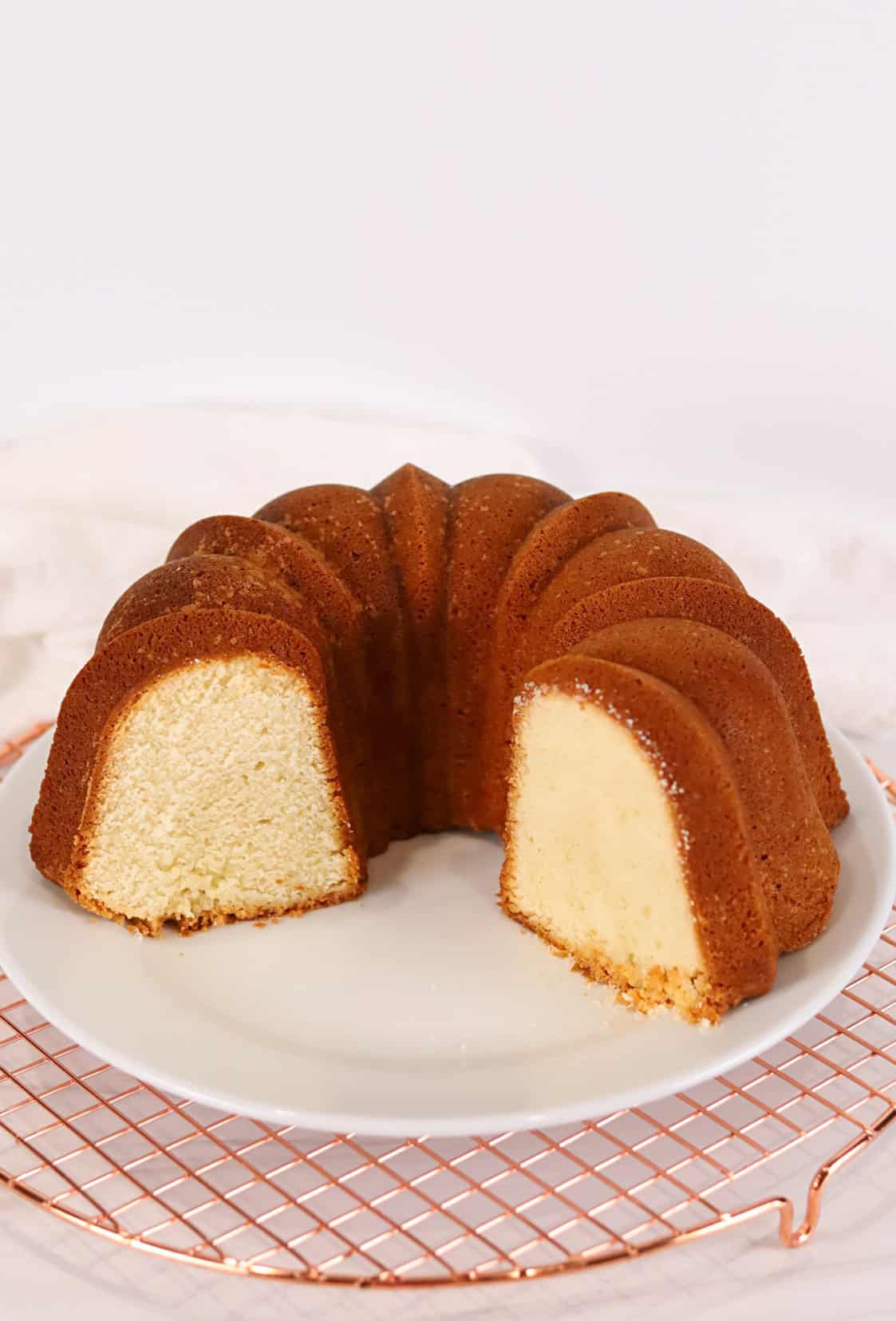
Let's talk about something especially important when making pound cakes: texture! A good pound cake should have a close-knit, tender crumb that's rich and satisfying without being dry or gummy.
Unlike a traditional layer cake, which is often light and airy, pound cakes generally have a tighter crumb and a dense texture...But there's a difference between a pound cake being dense and being heavy or underbaked.
A properly prepared pound cake should hold together beautifully when sliced while still feeling tender when you take a bite. The heavy whipping cream contributes richness and tenderness, while properly creaming the butter and sugar helps create the cake's structure.
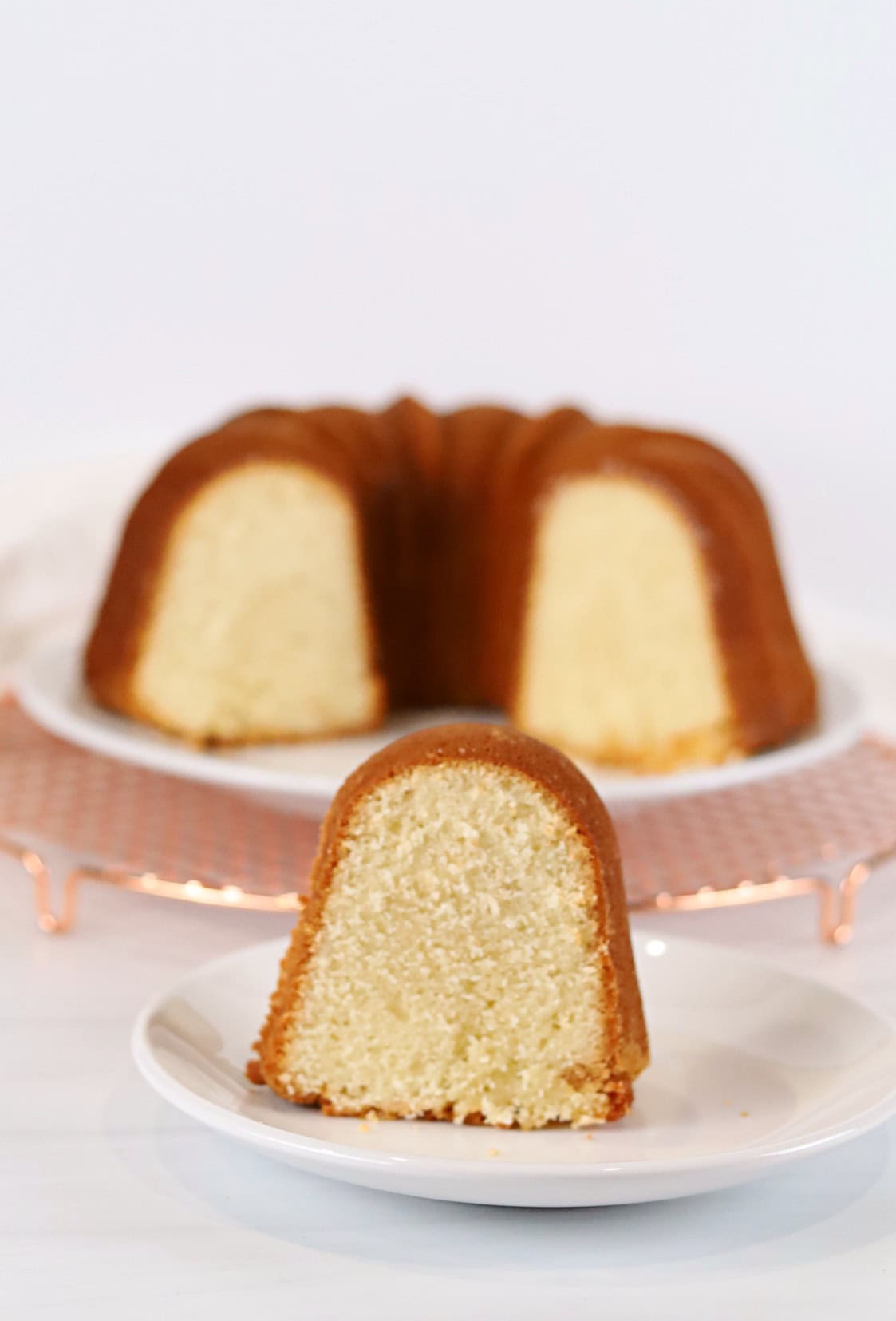
When you cut into this Vanilla Bean Pound Cake, you're looking for an even crumb with those beautiful vanilla bean specks throughout. And remember, a moist pound cake doesn't have to be fluffy like a layer cake to be delicious!
My Tips for Making the Best Vanilla Bean Pound Cake
Making a delicious pound cake isn't just about having the right ingredients.
It's also about understanding how to prepare those ingredients and knowing what to look for throughout the baking process.
Here are some of my favorite tips to help you get the best results.
1. Start With Room Temperature Ingredients
One of the most important steps when making a pound cake is starting with ingredients that are at the proper temperature. Room temperature butter is easier to cream with sugar, and eggs that aren't cold incorporate into the batter more smoothly.
Your butter should be soft enough to make an indentation when pressed, but it shouldn't be melted or greasy. Butter that's too warm can affect how much air is incorporated during the creaming process.
2. Cream the Butter and Sugar Properly
Creaming the butter and sugar is an important step in preparing your pound cake. As the butter and sugar mix, tiny air pockets are incorporated into the mixture. These air pockets help contribute to the cake's structure as it bakes.
Your butter and sugar mixture should become lighter in color and have a fluffy appearance.
3. Add the Eggs One at a Time
I recommend adding your eggs one at a time, mixing until each egg is incorporated before adding the next. This helps the eggs combine evenly with the butter and sugar mixture.
Adding too many eggs at once can make it more difficult for the batter to form a smooth mixture. Also, remember to scrape down the sides and bottom of your mixing bowl as needed.
4. Measure Your Flour Correctly
Using too much flour is one of the easiest ways to end up with a dry pound cake. If you're measuring flour with cups, spoon the flour into the measuring cup and level it off rather than packing it down.
5. Avoid Overmixing After Creaming the Butter and Sugar
Once the butter and sugar are creamed together, it's important to be mindful of how much you're mixing. Overmixing can develop too much gluten, which may result in a tougher cake.
Mix on low speed and stop once the ingredients are incorporated. The goal is a smooth, evenly mixed batter without unnecessary mixing.
6. Pay Attention to the Batter
Your cake batter can tell you a lot about how the mixing process is going. After creaming the butter and sugar, the mixture should appear lighter and fluffy.
As you incorporate the remaining ingredients, the batter should become thick, smooth, and well combined. Be sure to scrape the sides and bottom of your mixing bowl to prevent unmixed ingredients from collecting.
If the mixture looks slightly separated after adding eggs, no worries, it will come together as the remaining ingredients are incorporated.
7. Prepare Your Bundt Pan Properly
Nobody wants to spend time making a beautiful pound cake only to have it stick to the pan! Make sure your Bundt pan is thoroughly prepared before adding the batter. Pay special attention to the grooves and center tube.
I recommend using a baking spray that contains flour, provided it's suitable for your particular pan. Proper pan preparation makes a big difference when it's time to remove your cake from the pan.
8. Don't Overbake Your Pound Cake
Overbaking can quickly turn a moist pound cake into a dry one. Since oven temperatures vary, I recommend using an oven thermometer to make sure your oven is heating to the correct temperature.
As your cake approaches the recommended baking time, begin checking for doneness. A cake tester or toothpick inserted into the thickest portion should come out with a few moist crumbs, rather than wet batter.
How to Tell When Your Vanilla Bean Pound Cake Is Done
One question I hear often is, "How do I know when my pound cake is finished baking?" While baking times are helpful, it's important to pay attention to the appearance and structure of your cake.
Here are a few things to look for:
A golden exterior: The surface should develop a golden-brown color as the cake bakes. The exact shade will depend on your oven, pan, and ingredients.
A set center: The cake shouldn't have a visibly wet or jiggly center.
A properly baked interior: When you insert a toothpick into the thickest portion, it should come out clean or with a few moist crumbs.
The cake's structure: The surface should look set rather than wet or shiny with uncooked batter.
Avoid repeatedly opening the oven door early in the baking process, as sudden temperature changes can affect how the cake rises and sets.
And remember, every oven is different. Use the recipe's baking time as a guide, but rely on the cake's appearance and doneness tests before removing it.
Why Does Pound Cake Develop a Golden Crust?
One of the things I love about a homemade pound cake is that beautiful golden crust! As the cake bakes, heat causes several changes to take place on the surface.
The Maillard reaction, which occurs between certain sugars and proteins, contributes to browning and flavor development.
Caramelization may also contribute to browning as sugars are exposed to sufficient heat.
The result is an exterior that has a different texture and flavor from the tender interior. That is part of what makes a homemade pound cake so delicious.
Does Vanilla Bean Pound Cake Taste Better the Next Day?
Pound cakes are wonderful make-ahead desserts, and some people prefer their flavor and texture after they've rested overnight. As the cake cools, the crumb finishes setting, making the cake easier to slice.
Allowing the cake to rest in an airtight container can also give its flavor and texture time to become more uniform. If you plan to serve your Vanilla Bean Pound Cake the next day, allow it to cool completely before storing it. Just make sure you keep it properly covered to prevent it from drying out.
Do You Need a Glaze on Vanilla Bean Pound Cake?
A delicious Vanilla Bean Pound Cake should have enough flavor to stand on its own. The combination of butter, heavy whipping cream, and vanilla bean paste gives this cake its rich flavor.
However... if you enjoy a little extra sweetness, a light vanilla glaze can be a wonderful addition. You can also serve the cake with fresh strawberries, whipped cream, or your favorite fruit topping.
Sometimes all you need is a slice of homemade pound cake and a cup of coffee!
How to Store Vanilla Bean Pound Cake
Proper storage is important for maintaining the moisture and texture of your pound cake.
At Room Temperature: Once completely cooled, store the cake in an airtight cake keeper or container for approximately 3-5 days, provided any toppings or fillings don't require refrigeration.
In the Refrigerator: If you prefer to refrigerate your cake, wrap it tightly or store it in an airtight container to prevent it from drying out. Allow it to come to room temperature before serving for the best texture.
In the Freezer: Pound cake freezes beautifully! Wrap individual slices or the whole cake tightly in plastic wrap, followed by aluminum foil or a freezer-safe container. For the best quality, enjoy within three months.
Vanilla Bean Pound Cake
Ingredients
- 3 c All Purpose Flour
- 3 c Granulated Sugar
- 1 ½ c Salted Butter
- 1 c Heavy Whipping Cream
- 1 tablespoon Vanilla Bean Paste
Instructions
- Preheat your oven to 325 degrees.
- Using a hand or stand mixer, cream the butter and sugar together on medium speed until light and fluffy (approximately 5 minutes).
- Mix in the Vanilla Bean Extract.
- Add the eggs to the bowl one at a time, mixing only until combined before adding the next egg.
- Mix in the flour 1 c at a time, alternating with the whipping cream, beginning and ending with the flour.
- Spray a 12-cup bundt pan with baking spray. Pour the batter into the pan and spread it evenly. Bake for about an hour and 15 minutes. The cake is done when the toothpick comes out clean/with moist crumbs.
- Allow the cake to cool for 10 - 15 minutes before removing it from the pan. Allow the cake to cool, then serve and enjoy!
Video
Frequently Asked Questions
Can I Use Vanilla Extract Instead of Vanilla Bean Paste?
Vanilla extract may work as a substitute in some recipes, but I recommend using vanilla bean paste for this particular cake.
The vanilla bean paste provides the intended flavor and those beautiful vanilla bean specks.
What are some substitutions for the Heavy Whipping Cream?
You may also choose to use 1 cup of buttermilk instead. You could also choose to use 1 cup of sour cream or 8 oz of cream cheese.
Why Is My Pound Cake Dry?
A dry pound cake can result from several factors, including too much flour, overbaking, or inaccurate ingredient measurements.
Make sure you're measuring your ingredients properly and checking your cake for doneness as it approaches the recommended baking time.
Why Is My Pound Cake Gummy?
A gummy pound cake can sometimes result from underbaking, ingredient imbalances, or improper mixing.
Make sure you follow the recipe measurements and allow the cake to bake until the center is fully set.
Why Did My Pound Cake Stick to the Pan?
Pound cakes can stick when the pan isn't properly prepared, the cake hasn't cooled for the recommended amount of time, or the pan's coating is worn.
Thoroughly prepare your Bundt pan and follow the recipe's cooling instructions before removing the cake.
Can I Make This Vanilla Bean Pound Cake Ahead of Time?
Absolutely!
Pound cakes are great make-ahead desserts. You can prepare the cake a day before serving, allow it to cool completely, and store it in an airtight container.
Can I Freeze Vanilla Bean Pound Cake?
Yes! Once your cake has cooled completely, wrap it tightly in plastic wrap and place it in a freezer-safe container or wrap it again in aluminum foil.
You can freeze the whole cake or individual slices for convenient serving later.
More Pound Cake Recipes You'll Love
If you enjoyed this Vanilla Bean Pound Cake, be sure to check out some of my other homemade pound cake recipes!
Butter Vanilla Pound Cake: This beginner-friendly Butter Vanilla Pound Cake has butter vanilla flavor and heavy whipping cream baked right into the batter. No topping is needed!
Cream Cheese Whipping Cream Pound Cake: This Cream Cheese Whipping Cream Pound Cake is rich, buttery, and incredibly moist with a soft, tender crumb that melts in your mouth. Made from scratch with simple ingredients, it's the kind of cake that has everyone asking for seconds.
Mile High Buttermilk Pound Cake: This Mile High Buttermilk Pound Cake is tall, buttery, and incredibly moist with a rich, tender crumb and just the right amount of tang from buttermilk. Baked in an 18-cup Bundt pan, this oversized pound cake is finished with a simple vanilla-almond glaze that adds the perfect touch of sweetness.
Each recipe brings something different to the table, whether it's a unique flavor, ingredient combination, or baking technique. There's nothing quite like a homemade pound cake, and this Vanilla Bean Pound Cake is a wonderful reminder that simple ingredients can create something delicious.
With its rich vanilla bean flavor, buttery taste, and tender crumb, this cake is a classic dessert that can be enjoyed any time of year. The combination of vanilla bean paste and heavy whipping cream gives this recipe its special character, and I love that the vanilla flavor gets to be the star of the show.
Whether you enjoy it plain or dress it up with a little glaze, I hope this recipe becomes one of your favorites. If you give this Vanilla Bean Pound Cake a try, be sure to leave a comment below and let me know how it turns out!
I always love hearing from my Pound Cake Family.
Leave a Reply